

How to Tell When Meat Is Done Cooking: The Complete Guide
Stop guessing when your meat is done. Learn the science of doneness, safe internal temperatures, and why smart wireless thermometers make cooking steak, chicken, pork, and fish foolproof every time.
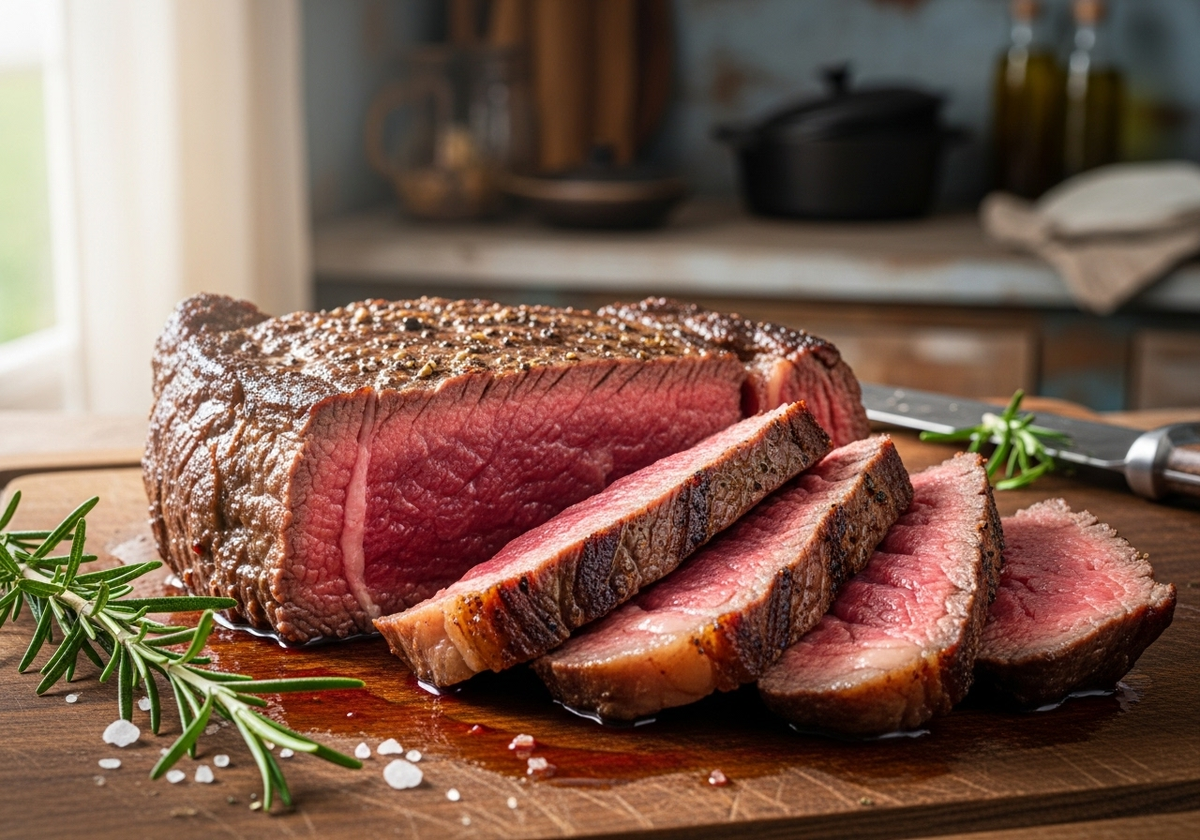
 Have you ever nervously sliced into a steak or chicken breast, hoping it’s cooked just right, only to find it raw or disappointingly dry? You’re not alone. Knowing exactly when meat is done is one of the most common challenges for home cooks and grillmasters. Undercooked meat can be unsafe, while overcooked meat loses flavor and tenderness.
Fortunately, modern wireless meat thermometers, like The MeatStick, make it easier than ever to get perfect results. In this guide, you’ll learn what meat doneness really means, the best ways to check for it, and how to use technology for consistently delicious meals.
What Does "Meat Doneness" Really Mean?

Before you master perfectly cooked meat, it helps to understand what doneness actually is. It’s more than just appearance or color. True doneness is about food safety, flavor, and ideal texture.
The Science Behind Cooking Meat
When meat cooks, heat changes the proteins and structure inside:
- Proteins tighten and release moisture.
- Fats melt, making the meat juicier.
- Tougher cuts transform as collagen breaks down into gelatin, making them tender.
Each meat has its own ideal doneness temperature for the best taste and safety. For example, rare steak can be enjoyed at 125°F (52°C), while chicken must reach at least 165°F (74°C).
The Pitfalls of Guessing Doneness
Judging by color or juices alone can lead to mistakes.
- Undercooked meat raises the risk of foodborne illness, especially for poultry and ground meats.
- Overcooked meat turns tough, dry, and bland.
Smart thermometers, such as The MeatStick, give accurate, real-time temperature readings and remove all the guesswork from the process.
The Most Reliable Ways to Tell When Meat Is Done

Consistent, safe, and tasty results come from using the right techniques and tools.
Why Internal Temperature Is the Gold Standard
Measuring the internal temperature is the most accurate way to know when your meat is done.
Understanding Temperature Standards:
There are two main approaches to determining if your meat is ready:
-
Culinary temperatures are what chefs and experienced cooks use for optimal flavor and texture. These are often lower, especially for cuts like steak, lamb, and certain types of fish.
- USDA food safety minimums are the official government guidelines to reduce the risk of foodborne illness. These temperatures are sometimes higher than what you’ll see in a restaurant or recipe.
The chart below shows both standards for each type of meat so you can make an informed choice:
|
Meat Type |
Chef’s Doneness Temp (Flavor/Texture) |
USDA Safe Minimum Temp (Food Safety) |
Notes |
|
Beef, Veal, Lamb (steak/roast) |
Rare: 125°F (52°C) |
145°F (63°C) |
Chefs prefer rare/medium rare for tenderness |
|
Medium Rare: 135°F (57°C) |
|||
|
Medium: 145°F (63°C) |
|||
|
Pork (whole muscle) |
145°F (63°C) |
145°F (63°C) |
Same for both |
|
Chicken, Turkey (whole, breast) |
160°F (71°C) for juiciness |
165°F (74°C) |
Always use safe temp |
|
Ground Meats (beef, pork, etc.) |
160°F (71°C) |
Always use safe temp |
|
|
Fish (salmon) |
120–125°F (49–52°C) |
145°F (63°C) |
Salmon often enjoyed medium |
|
Fish (white fish, cod, halibut) |
130-135°F (54-57°C) |
145°F (63°C) |
Moist, flaky texture at chef temps |
Chef-preferred doneness temperatures for fish vary by species. Salmon is often served at 120-125°F (49-52°C) for a medium, silky texture. White fish like cod or halibut are typically best at 130-135°F (54-57°C) for a flaky but moist result. The USDA recommends cooking all seafood to 145°F (63°C) for maximum food safety.
Tip: Always insert your thermometer into the thickest part of the meat, away from bones and fat, for the most accurate reading.
Traditional Methods and Their Limitations
- Cutting and Checking Color or Juices: Many look for clear juices or a certain color, but this is not always reliable, especially for larger cuts or ground meat.
- Touch and Poke Tests: Some use texture as a guide, but it takes practice and is not foolproof.
- Cooking by Time: Timing charts provide a rough guide, but results vary depending on meat thickness, starting temperature, and cooking method.
If you want consistent results, nothing beats a wireless or smart meat thermometer.
Tips for Achieving Perfect Meat Every Time
Consistency is the key to mastering any cooking skill. Here’s how to get perfect results with every meal.
Understanding Carryover Cooking and Resting
Meat keeps cooking after you remove it from the heat, a process called carryover cooking.
- Large cuts like roasts and thick steaks may rise 5 to 10°F (3 to 6°C) while resting.
- Try removing meat from the heat just before it reaches your target temperature and let it rest under foil for juicy, evenly cooked results.
Wireless thermometers like The MeatStick allow you to track these changes in real time, even while the meat rests.
Getting the Most from Smart Thermometer Technology
To get accurate readings:
- Insert the thermometer into the thickest part of the meat.
- Use your thermometer’s app to set your target temperature or doneness level.
- Receive alerts when your meat reaches the perfect temperature so you can avoid undercooking or overcooking.
Mastering meat doneness means more than just avoiding undercooked or overcooked meals. It’s about bringing out the best flavors and enjoying your food with confidence every time. Smart thermometers like The MeatStick help anyone, beginner or expert, achieve safe, delicious, and repeatable results with less stress.
Frequently Asked Questions (FAQ)
Do I need a thermometer for every kind of meat?
A thermometer is the safest and most reliable way to check doneness for all meats, especially poultry and larger cuts. While some chefs can judge by eye or touch, using a thermometer takes out the guesswork.
What’s the difference between a wireless and a traditional meat thermometer?
Wireless and smart thermometers, like The MeatStick, allow you to monitor your meat remotely using an app, send alerts when it’s ready, and handle high-heat environments. Traditional thermometers must be checked manually and do not offer app connectivity.
Is it safe to eat beef or steak that’s pink inside?
A pink center is common for rare and medium-rare steaks, which are typically cooked to 125-135°F (52-57°C) for the best flavor and texture. However, the USDA recommends a minimum of 145°F (63°C) for whole cuts of beef, veal, or lamb to ensure food safety. Many people choose their preferred doneness based on taste, but for at-risk individuals: pregnant women, young children, older adults, or anyone with a weakened immune system, it’s best to follow USDA guidelines.
How can I avoid overcooking my meat?
Remove the meat a few degrees before your target temperature to allow for carryover cooking, and let it rest before slicing. Using a smart thermometer gives you precise control over doneness.
Can I use The MeatStick in the oven, grill, or smoker?
Yes. The MeatStick is designed for use in all cooking environments, including ovens, grills, smokers, deep fryers, and sous vide, making it extremely versatile.
Cook it to the number.

V Prime Set
Reads the coldest point in the meat, so you take it off the heat at the number on this chart.
Free shipping on this set
See the V Prime SetGreat Steak Guarantee: a great steak, or we buy it back. Terms
 7 Common Meat Thermometer Mistakes and How to Avoid Them
 What Is The Temperature For A Medium-Rare Burger?
 The Best Internal Temperature for Steak: Rare to Well Done Explained
