

What is a BBQ Binder? The Truth About Mustard and Making Your Rub Stick
BBQ binders like mustard, oil, or Worcestershire sauce aren’t about flavor. They’re about helping your rub stick and building that coveted bark. While some pitmasters swear by them and others skip them entirely, binders can make a real difference on lean cuts like ribs or chicken. Learn when to use them, which options work best, and how tools like The MeatStick ensure your barbecue finishes with perfect doneness every time.
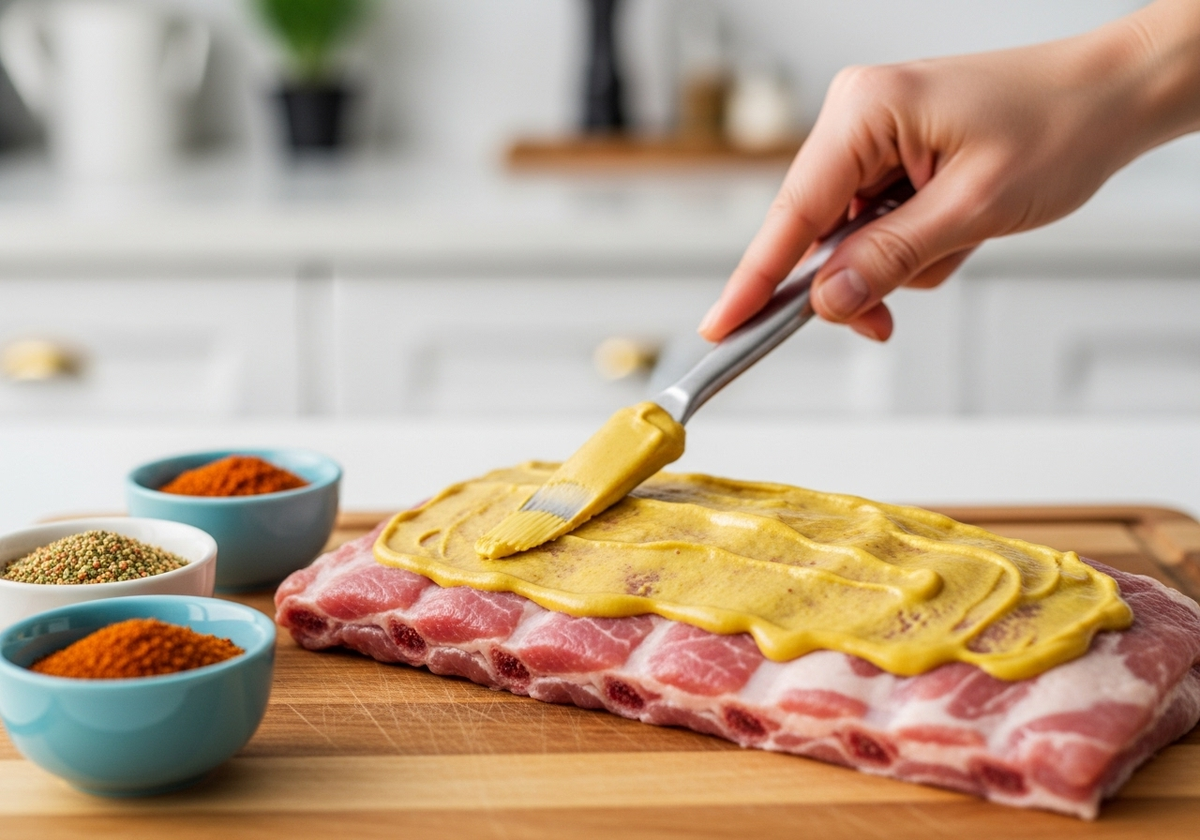
Ever wondered why BBQ pros and backyard grillers slather yellow mustard on ribs before adding the rub? Or if you even need a binder at all? This "secret" step is one of barbecue’s most debated and misunderstood techniques. In this guide, we’ll demystify what a BBQ binder really is, explain why pitmasters use mustard on ribs, and show you how to make your rub stick for perfect bark every time. Plus, see how The MeatStick helps you finish strong by nailing perfect doneness.
What is a BBQ Binder

A BBQ binder is anything you spread on meat before applying your dry rub. Its main purpose is helping seasonings stick to the surface so they stay put during cooking. Mustard is the classic example, but cooks also use oil, mayo, Worcestershire sauce, or even hot sauce.
The Real Purpose of a Binder
The main job of a binder is adhesion, not flavor. Dry rubs often slide right off smooth or moist meat, or get knocked off during handling. A thin layer of binder "glues" the rub to the meat, helping you build that beautiful, even crust called bark after hours in the smoker or grill.
Do Binders Affect the Taste
Myth busted: Using mustard, mayo, or Worcestershire as a binder will not make your meat taste like a sandwich. The flavors cook off during the process. Mustard, in particular, is popular because it’s cheap, sticky, and its tang disappears after a long smoke, leaving only pure BBQ flavor behind.
Common Types of Binders and How to Use Them

There’s no single "best" binder. It depends on your meat, your pantry, and your goals. Here are the most popular options:
Mustard, Oil, and More
-
Yellow Mustard: The go-to for pork ribs and shoulders. Sticky, cheap, and nearly tasteless after cooking.
-
Cooking Oils (Olive, Vegetable, Canola, Butter): Neutral, great for any meat, and help retain moisture in lean cuts.
-
Worcestershire Sauce: Adds subtle umami, especially with beef.
-
Hot Sauce: Brings heat for those who like it spicy.
-
Mayonnaise: Extra adhesive, sometimes used for chicken or turkey skin.
-
Sweeteners (Honey, Maple Syrup): Can add flavor and help with caramelization, but use sparingly to avoid burning.

When and How to Apply a Binder
Apply a thin, even layer right before your rub goes on. Too much binder can make the bark greasy or heavy. Use your hands, a brush, or a spray bottle, whichever works. Let it settle for a minute, then cover with rub.
Do You Really Need a Binder

When a Binder Makes Sense
Lean, smooth cuts like pork tenderloin, chicken breasts, and ribs benefit most. A binder keeps seasoning in place and helps with moisture retention. On heavily marbled or naturally sticky meats, you might not need one at all.
Binders in Competition BBQ and Backyard Grilling
In BBQ competitions, details matter, so binders are popular among pitmasters looking for a perfect bark and consistent appearance. However, binders are not required by any competition rules. It’s simply a common technique many competitors use. At home, it’s all about personal preference. Feel free to try both ways and see what you like best.
Alternatives to Traditional Binders
Want to skip mustard or oil? No problem. Try these alternatives:
-
Dry Brining: Season with salt and rest in the fridge. Natural moisture helps rub stick, no binder needed.
-
Natural Meat Moisture: Sometimes the meat’s surface is moist enough already, especially with certain cuts or fresh prep.
Perfect Your Bark and Doneness
Binders are a simple, optional step that can help take your barbecue to the next level, especially when you want a flawless bark and reliable seasoning. Whether you stick with classic mustard, try oil, or skip binders altogether, experiment and find what works for you. For truly perfect BBQ, combine your binder knowledge with precision cooking. The MeatStick makes it easy to hit the perfect internal temperature every time.
Ready to put your new skills to the test? Visit TheMeatStick.com to discover the smart meat thermometer trusted by BBQ fans and pitmasters worldwide. And don’t miss our Prime Day deals coming early October 2025; big savings to keep your grill (and your wallet) fired up!

Photo by @bigswedebbq
Frequently Asked Questions (FAQ)
Does mustard change the flavor of BBQ ribs?
No, the flavor cooks off, so you won’t taste mustard in the finished ribs.
What is the best binder for pork shoulder?
Mustard is most popular, but oil or Worcestershire sauce also work well.
Can I BBQ without a binder?
Absolutely. Many pitmasters skip binders, especially with fatty or sticky cuts.
Should I use oil or mustard as a binder?
Either works. Mustard is stickier and common for pork, oil is more neutral and versatile.
How do I apply a BBQ binder?
Use a thin, even layer, just enough to help the rub stick without making the surface wet or greasy.
Cook it to the number.

V Prime Set
Reads the coldest point in the meat, so you take it off the heat at the number on this chart.
Free shipping on this set
See the V Prime SetGreat Steak Guarantee: a great steak, or we buy it back. Terms
 Basting vs. Spritzing vs. Mopping: Which BBQ Technique Wins for Flavor?
 Best Game Day Meats: Wings, Ribs, Pulled Pork, and More Crowd Favorites
 3-Time NBBQA Winner: The MeatStick V Recognized at the 2025 Awards of Excellence
