

The Science of Tender Meat: Why Temperature Is the Secret to a Perfect Date Night Meal
Tender meat is not about guesswork. Learn how temperature control, carryover cooking, and tenderness science work together to help you cook perfect steaks, roasts, and chicken for an unforgettable date night meal.
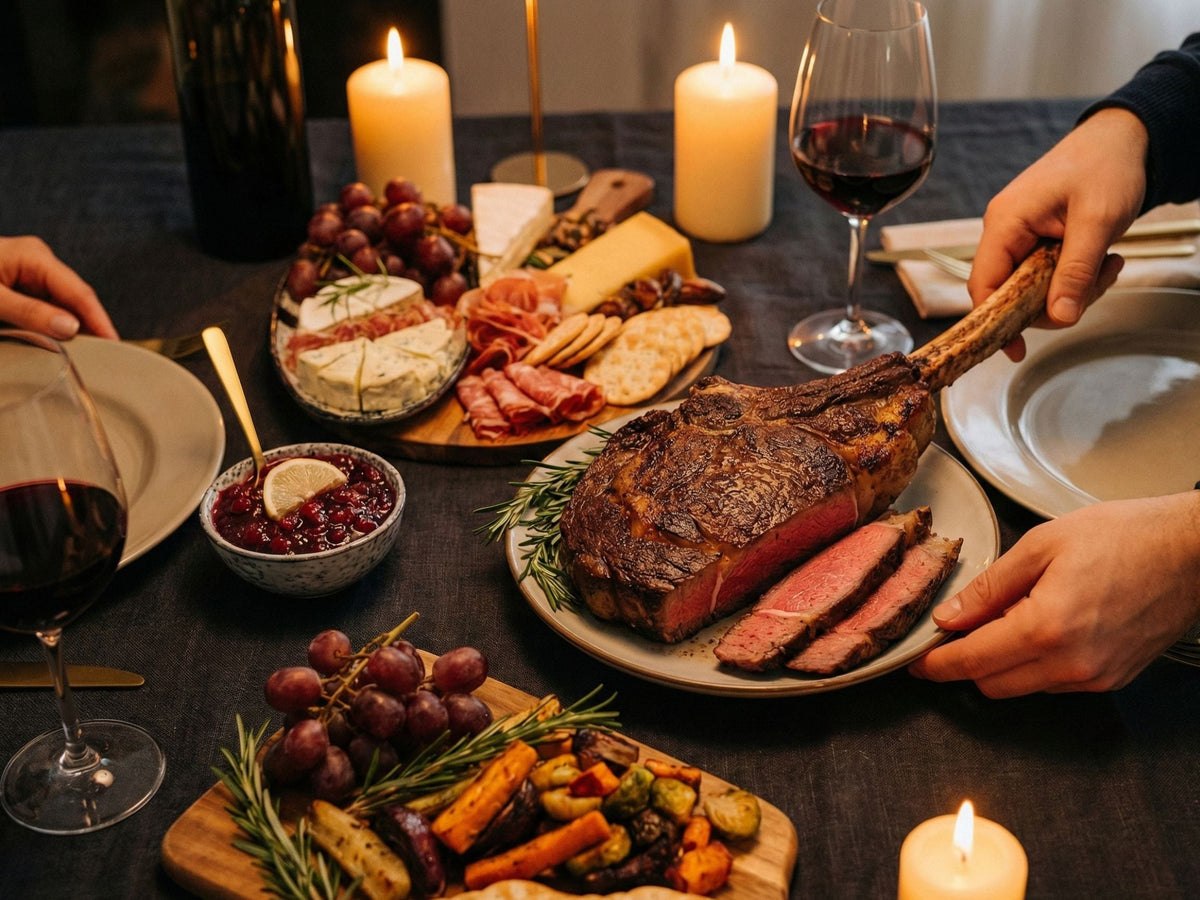
Cooking a tender, unforgettable date night meal is not about luck. It comes down to understanding one thing many home cooks overlook: temperature. Whether you are searing steak, roasting chicken, or slow cooking lamb shanks, tenderness science is real, predictable, and easy to master once you know what is happening inside your meat. Smart wireless meat thermometers make this process far more reliable because they let you control heat with precision. This guide breaks down exactly why temperature control is the foundation of tenderness and how you can use it to cook restaurant quality meals at home.

Why Tenderness Depends on Temperature
Tenderness is not just about the cut of meat you choose. It is about how heat transforms muscle fibers, fat, and connective tissue. Understanding these reactions gives you full control instead of guessing.
Muscle Fibers and Heat
As meat cooks, its muscle fibers contract and release moisture. The key is that each protein responds to heat differently. In red meats like beef, the tenderness window is well defined. Below about 120°F, the fibers stay soft. Between roughly 130°F and 150°F, they tighten gradually, which is why steaks stay tender in this range. Once the meat passes about 160°F, the fibers contract rapidly and push out moisture, making the texture much firmer. Lean proteins behave differently. Chicken, pork, and fish tighten at lower temperatures and dry out faster when they overshoot their ideal range.

Collagen Breakdown and Slow Heating
Tougher cuts contain more collagen. When heated slowly between roughly 160°F and 190°F, collagen melts into gelatin, creating the succulent texture of short ribs, pulled pork, or braised beef. Rush this process and the fibers seize before the collagen breaks down. Gentle, stable temperature control is the key and wireless meat thermometers protect you from overshooting the moment tenderness develops. Tools like The MeatStick are especially useful in long cooks because they track temperature over time without needing you to open the oven or smoker.
Temperature Control as the Foundation of Consistency
Consistency is what separates an average meal from a great date night experience. You can buy premium ingredients, but if your meat goes ten degrees too far, tenderness is gone. Temp control eliminates that variability.
The Target Temperature Zone
Every protein has a tender zone where its fibers stay relaxed and moisture stays inside.
|
Meat Cut |
Ideal Internal Temp Range for Tenderness |
Notes on Texture and Tenderness |
|
Beef Steak (Red Meat) |
125 to 145°F |
This range gives the most tender texture. Below 120°F is raw and above 150°F fibers firm quickly. |
|
Beef Roasts |
130 to 140°F |
Low and slow heat creates even tenderness. Expect 5 to 10°F of carryover cooking after removal from heat. |
|
Pork Chops/Pork Loin |
140 to 150°F |
Very lean and dries out quickly. Resting brings it up to a safe final temp. |
|
Pork Shoulder / Pork Butt |
195 to 203°F |
High collagen cut. Tenderness develops only after long cook times where collagen melts into gelatin. |
|
Chicken Breast |
155 to 160°F |
Reaches the safe 165°F during resting. Overcooking tightens fibers fast and results in dryness. |
|
Chicken Thighs/Legs |
170 to 185°F |
Higher temps help break down connective tissue, creating a more tender, juicy texture. |
|
Fish (Salmon, Cod, etc) |
120 to 135°F |
Very delicate. Proteins set early, so real time temp tracking prevents overcooking. |
Heat Transfer and the Danger of Hot Spots
Ovens, grills, and pans heat unevenly. The exterior of meat always cooks faster than the center because heat travels inward from the outside. Thin parts warm up quickly. Thick areas lag behind. These hot spots cause inconsistent doneness unless you constantly monitor what is happening internally. Smart thermometers solve this gap by showing you the real temperature curve. You adjust your cooking environment rather than improvising blindly. This reduces dryness, improves tenderness, and keeps your final texture predictable every time you cook for someone special.
Carryover Cooking and Why It Matters
Carryover cooking is the most misunderstood part of tenderness science. Meat does not stop cooking when you remove it from heat. Internal temperature continues to rise because the outer layers hold more heat than the center.

How Carryover Works
If your steak finishes at exactly your target temperature while still on the grill, it will overshoot during the rest. A thick steak can rise an additional 5 to 10°F after being removed from heat. Large roasts can climb even more. This is why professionals pull meat early. Remove food from heat just before it reaches your target. The remaining heat gently finishes the cook, delivering perfect tenderness. The MeatStick helps you manage this precisely by sending early target temperature alerts, letting you know the exact moment to remove your meat from heat before carryover pushes it too far. This ensures your meat stays perfectly tender without overshooting the target temperature.
How Carryover Works
If your steak finishes at exactly your target temperature while still on the grill, it will overshoot during the rest. A thick steak can rise an additional 5 to 10°F after being removed from heat. Large roasts can climb even more. This is why professionals pull meat early. Remove food from heat just before it reaches your target. The remaining heat gently finishes the cook, delivering perfect tenderness. The MeatStick helps you manage this precisely by sending early target temperature alerts, letting you know the exact moment to remove your meat from heat before carryover pushes it too far. This ensures your meat stays perfectly tender without overshooting the target temperature.
Applying Tenderness Science Across Different Proteins
The principles of temperature control and carryover cooking apply to everything you might prepare for a special dinner.
Steak and Red Meat
Steak tenderness depends on precision. Cooking low and slow at first allows the internal temperature to rise evenly. Finishing with a high heat sear develops a crust without destroying the interior. This reverse sear method is reliable because internal temperature stays controlled from start to finish. Wireless meat thermometers make this effortless because they monitor the internal temperature continuously while you focus on the final sear.
Chicken, Pork, and Seafood
Lean meats dry out quickly when temperature goes too high. Chicken breast becomes stringy past 170°F. Pork chops stiffen above 160°F. Seafood tightens rapidly once it surpasses its optimal range. These proteins benefit from real time monitoring even more because their tenderness window is narrow. Smart wireless meat thermometers help hold them inside that zone without constant poking or cutting, which also preserves moisture and presentation.

How Technology Simplifies Tenderness for Home Cooks
You do not need culinary school to understand tenderness science. You only need tools that show you what the food is doing internally.
Why Smart Wireless Meat Thermometers Improve Results
Temperature control turns every cook from a guess into a system. Wireless and app connected thermometers let you see internal temperature without opening your oven or grill. You also get alerts for stalls, rapid rises, and carryover peaks. This reduces stress and gives you confidence, especially when cooking for someone important.
When The MeatStick Makes a Difference
Long cooks benefit the most from continuous temperature tracking. Using a fully wireless probe like The MeatStick keeps the oven or smoker closed so heat stays stable. This stability directly improves tenderness because the meat is not shocked by sudden temperature swings. The MeatStick also helps with precision searing, resting, and monitoring carryover cooking so you never miss the tenderness zone again. If you are ready to master tenderness science for every date night meal, explore how The MeatStick can elevate your cooking with accurate, effortless temperature control.
Perfect tenderness is not guesswork. It is the temperature. Once you control it, every date night becomes a guaranteed win.
FAQ (Frequently Asked Questions)
Why is temperature the key to tender meat?
Tenderness depends on how heat affects muscle fibers and connective tissue. Even a small overshoot causes fibers to contract and squeeze out moisture. Keeping meat in its ideal temperature zone protects tenderness.
What happens to muscle fibers as meat cooks?
Fibers stay soft at lower temps, tighten gradually through the mid range, and contract rapidly once meat passes higher temperatures. Lean proteins tighten earlier than beef, which is why they dry out faster.
Why do different meats have different target temperatures?
Each protein has its own tenderness zone based on how its muscle and collagen respond to heat. Beef stays tender between 125 and 145°F, chicken comes out best when pulled at 155 to 160°F, and fish remains delicate between 120 and 135°F.
What is carryover cooking?
After meat is removed from heat, internal temperature continues rising because the hotter exterior transfers heat inward. Steaks can increase 5 to 10°F, and roasts even more, so pulling meat early prevents overcooking.
Why should meat rest before slicing?
Resting lets fibers relax and reabsorb juices. Cutting too soon causes moisture to spill out, reducing tenderness and presentation.
How do wireless or smart thermometers help?
They track internal temperature in real time without opening the oven or grill. This prevents overcooking, avoids hot spots, and keeps meat inside its ideal tenderness range.
When does The MeatStick make the most difference?
Long cooks benefit the most. Keeping the oven or smoker closed stabilizes heat, and continuous tracking helps you manage searing, resting, and carryover cooking for perfect tenderness.
Cook it to the number.

V Prime Set
Reads the coldest point in the meat, so you take it off the heat at the number on this chart.
Free shipping on this set
See the V Prime SetGreat Steak Guarantee: a great steak, or we buy it back. Terms
 How to Cook Big Cuts Like Rib Roasts, Pork Loin, and Brisket Perfectly
 Why Prime Rib Goes Wrong and How to Fix It
 How Carryover Cooking Ruins Your Meat (Unless You Know This One Rule)