

Master the 3-3-3 Rule for Steak: Perfect Searing and Doneness Every Time
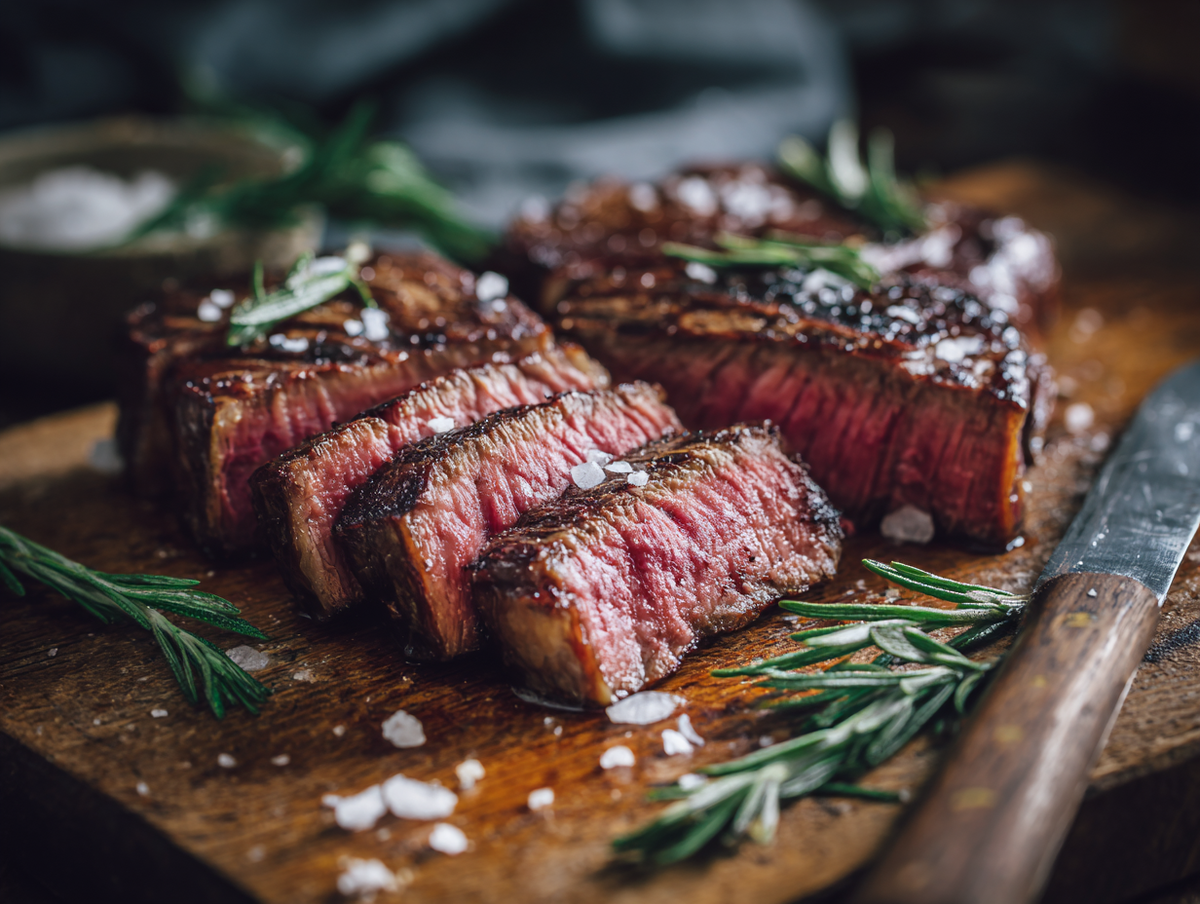

Tired of steak roulette, a perfect crust one night and a dry, gray slab the next? The 3-3-3 rule gives you a repeatable framework for the sear and the timing. Pair it with the one thing timing can never tell you, the internal temperature, and you get a steakhouse result every single time. Here is the method, why it works, the doneness temperatures, and how to land it without cutting in.
- The short answer
- What is the 3-3-3 rule for steak?
- Why the 3-3-3 method works
- How to cook a steak with the 3-3-3 method
- Steak doneness temperature chart
- Adjusting for steak thickness
- Common 3-3-3 mistakes
- Where to measure for an accurate reading
- FAQ
The short answer
The 3-3-3 rule for steak is a simple grilling method: for a 1-inch steak, sear one side for 3 minutes, flip and sear the other side for 3 minutes, then move to indirect heat and cook 3 minutes per side. Rest 5 to 10 minutes before slicing. It builds a deep crust without overcooking the center.
The 3-3-3 timing gets the sear right. Doneness, though, is a temperature, not a clock. The MeatStick® V Series tracks the internal temperature in real time and alerts your phone the moment your steak hits your target, so the method lands perfectly every time.
Quick Tip: The clock builds the crust. The thermometer guarantees the doneness. Watch both, not just the timer.
What is the 3-3-3 Rule for Steak?
The 3-3-3 Rule is a simple, memorable cooking method that helps you sear and finish steaks evenly. For a 1-inch steak, sear one side for 3 minutes, flip and sear the other side for 3 minutes, then move to indirect heat and cook each side for another 3 minutes. This creates a flavorful crust without overcooking the interior.
It works best for steaks that are about 1 inch thick, like ribeye, NY strip, or sirloin. Thicker steaks need a few more minutes on indirect heat. Thinner cuts can skip the last step.
Cooking a thinner cut? See our guide to bavette steak.
Why the 3-3-3 method works
You get the best of both worlds: a deeply caramelized exterior from the Maillard reaction, and a tender, juicy center that is not gray or tough. The initial high-heat sear drives the browning that builds flavor and crust. Moving to indirect heat for the finish lets the inside come up to temperature gently, instead of scorching the outside while you wait for the middle to catch up.
It is reliable, repeatable, and easy to remember. That is exactly why it works so well for home cooks who want consistent results without babysitting a steak.
How to cook a steak with the 3-3-3 method

- Set up two zones. Preheat your grill or pan with a hot zone (direct heat) and a cooler zone (indirect heat).
- Sear side one, 3 minutes. Lay the steak over direct high heat and leave it alone to build a crust.
- Flip and sear side two, 3 minutes. Same direct heat, do not move it around.
- Move to indirect heat, 3 minutes. Shift the steak to the cooler zone and let the first side finish gently.
- Flip on indirect, 3 minutes. Finish the second side.
- Rest 5 to 10 minutes. Loosely tent the steak before slicing so the juices redistribute.
Quick Tip: Steak thickness, grill heat, and cut all affect the final doneness, so use the timing as your framework and your thermometer as the final word. Pull the steak at your target pull temp no matter what the clock says.
Steak doneness temperature chart
Doneness is a temperature, full stop. Here is where to land for each level, in °F and °C.
| Doneness | Internal temperature | The center looks |
|---|---|---|
| Rare | 125°F / 52°C | Cool red |
| Medium-rare (most popular) | 130 to 135°F / 54 to 57°C | Warm red |
| Medium | 140 to 145°F / 60 to 63°C | Warm pink |
| Medium-well | 150 to 155°F / 65 to 68°C | Slightly pink |
| Well-done | 160°F+ / 71°C+ | No pink |
These are finished target temperatures, from The MeatStick doneness guide. Pull the steak about 5°F before your target and rest it 5 to 10 minutes, because carryover heat keeps cooking it after it leaves the heat. The MeatStick V Series alerts you the moment you hit your pull temp, so you never blow past it.
For a full breakdown of every level from rare to well-done, plus where to measure and food-safety temps, see our steak internal temperature guide.
Quick Tip: A steak rises about 5°F as it rests. Pulling early is the difference between a perfect medium-rare and an accidental medium.
Adjusting for steak thickness
The 3-3-3 timing assumes a 1-inch steak. Real steaks vary, so adjust:
- Thin cuts (under 1 inch): Skip the indirect step. A straight 3 minutes per side over direct heat is usually plenty, and going further risks overcooking.
- Thick cuts (1.5 inches or more): Add a minute or two to each indirect phase, and lean entirely on temperature. A 2-inch ribeye and a 1-inch sirloin can finish minutes apart, so the clock stops being reliable and the internal reading takes over.
This is exactly where a leave-in thermometer earns its keep: thickness changes the timing, but your target temperature never moves.
Common 3-3-3 mistakes

- Skipping the rest. Cut in too early and the juices run out onto the board instead of staying in the steak.
- Cooking cold steak. Straight from the fridge cooks unevenly. Let it sit at room temperature for about 30 minutes first.
- Moving the steak while it sears. Poking and shifting interrupts the crust. Let it sit and build the Maillard browning.
- Trusting the clock over the temperature. Timing is a guide. Temperature is the answer. This is the single most common reason a 3-3-3 steak comes out wrong.
Where to measure for an accurate reading

A reading is only as good as where you take it. Insert the Stick into the center of the thickest part of the steak, going in from the side so the sensor sits in the middle of the cut. Avoid any large pockets of fat or gristle, which can read differently than the meat.
The center of the thickest muscle is the coldest spot and the last to come up to temperature. That is the number that tells you the whole steak is where you want it.
Hit the 3-3-3 rule every time
The 3-3-3 rule gets you the sear and the timing. A thermometer gets you the doneness. Put them together and you stop guessing for good.
The MeatStick V Prime is a truly wireless, leave-in Stick that stays in the steak through the sear, the flip, and the rest. It reads the true internal temperature with multiple sensors, watches your grill’s ambient heat at the same time, and alerts your phone the moment you hit your pull temp, from anywhere in the house. Set your target, close the lid, and let temperature be your guide.

Trusted by 300,000+ registered customers and 3.4M+ cooks logged.
Quick Tip: Cook your best steak yet. Use the 3-3-3 rule as your blueprint and let The MeatStick call the doneness. Truly wireless. Multiple sensors. No more cutting in.
Frequently Asked Questions
What is the 3-3-3 rule for steak?
For a 1-inch steak, sear one side for 3 minutes over direct high heat, flip and sear the other side for 3 minutes, then move to indirect heat and cook 3 minutes per side. Rest 5 to 10 minutes before slicing.
What temperature is a medium-rare steak?
Medium-rare steak is 130 to 135°F (54 to 57°C), a warm red center and the most popular doneness. Pull it around 130°F and let carryover finish it during the rest. The MeatStick V Series alerts you at your exact pull temp.
What are the steak doneness temperatures?
The MeatStick doneness guide: rare 125°F (52°C), medium-rare 130 to 135°F (54 to 57°C), medium 140 to 145°F (60 to 63°C), medium-well 150 to 155°F (65 to 68°C), and well-done 160°F+ (71°C+). Pull about 5°F early for carryover.
Does the 3-3-3 rule work for thick steaks?
Over about 1.5 inches, extend the indirect-heat time and go by temperature, not the clock. Thicker steaks finish at very different times, so the internal reading is what keeps you accurate.
Can I use the 3-3-3 method in a skillet?
Yes. Sear both sides in a hot cast iron pan, then move to a cooler burner or a low oven for the indirect phase. Same method, same target temperatures.
How long should a steak rest?
About 5 to 10 minutes. Resting lets the juices redistribute so they stay in the meat instead of running out when you slice, and it gives carryover heat time to finish the cook.
Planning the plate while it rests? Here are the best sides for steak.
Do I need a thermometer for the 3-3-3 rule?
The timing is a guide; doneness is a temperature. A leave-in wireless thermometer like the MeatStick V Series is what makes the 3-3-3 rule foolproof, because it tells you the exact moment to pull instead of leaving it to the clock.
What about reverse searing?
Reverse searing flips the order: cook low and slow first, then finish with a hard sear. It is the better choice for very thick steaks. See our reverse sear guide.
How do I season a steak for the 3-3-3 method?
Salt and pepper right before cooking for a classic crust, or dry-brine with salt about 40 minutes ahead for deeper flavor and a better sear.
For salt amounts, timing and dry brining step by step, see our guide on how to season steak.
Why did my 3-3-3 steak come out overcooked?
Almost always because the cut was thinner than 1 inch, the grill ran hotter than expected, or it was pulled by the clock instead of by temperature. Cook to your pull temp and the result stays consistent regardless of the variables.
Cook it to the number.

V Prime Set
Reads the coldest point in the meat, so you take it off the heat at the number on this chart.
Free shipping on this set
See the V Prime SetGreat Steak Guarantee: a great steak, or we buy it back. Terms
 7 Brisket Mistakes to Avoid This National Brisket Day (Especially #3)
 5 Irresistible Side Dishes That Will Make Your Steak Dinner Unforgettable!
 5 Best Steaks to Cook for Father’s Day